
5 Marketing Hacks for
US Pet Supplies eCommerce
The Booming Digital Pet Aisle
The US pet industry is booming. Standing out requires more than just cute photos, it demands smart, data-backed strategies. This report visualizes five key hacks to capture the modern pet owner.
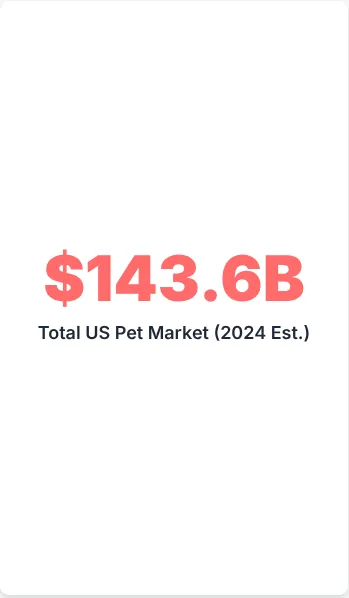
The United States pet industry has definitively entered a new era of strategic competition. The explosive, "gold rush" growth phase, fueled by the unprecedented spike in pet adoptions during the pandemic, has concluded.
For 2025, the market is best understood as a maturing, hyper-competitive $157 billion battleground.

The US pet care e-commerce market is projected to expand at a compound annual growth rate (CAGR) of 7.1% from 2025 to 2030, this stable figure masks a more complex reality.
Overall spending in the pet sector is plateauing, with a forecasted growth of just 2.9% YoY in 2025.
The most fruitful areas for growth will be in shifting from a transactional model (selling a bag of food) to an advisory one (prescribing a holistic wellness plan).
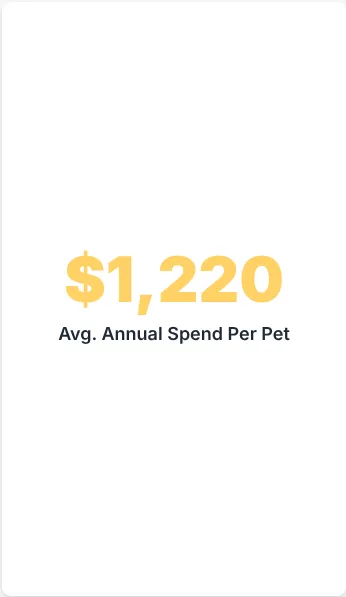
Pets are no longer just animals; they are "vital members of their family," a sentiment shared by 80% of pet owners.
This emotional reframing has direct, large-scale economic consequences.
Consumers are applying their own wellness standards and purchasing habits directly to their pets, fueling explosive growth in high-margin, premium categories.
Hack 1:
The "Pet Persona" Personalization
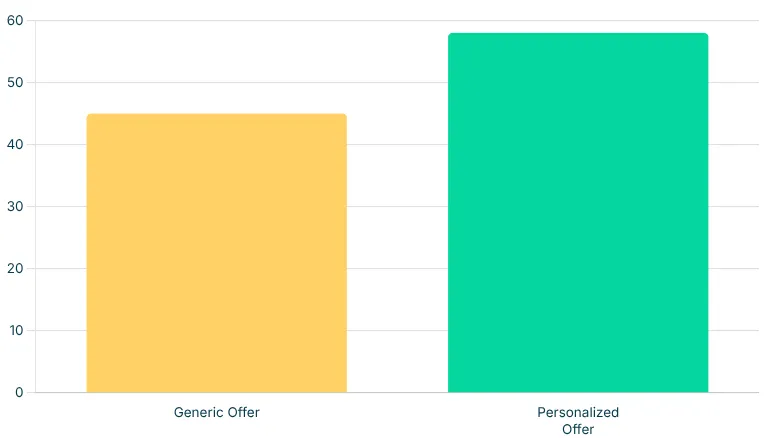
Stop marketing to "pet owners" and start marketing to "Bailey, the 4-year-old Golden Retriever with a grain allergy." Personalization, based on pet type, breed, age, and health needs, dramatically increases average order value (AOV) by showing customers exactly what they need.
As the chart shows, tailored product recommendations and email offers result in a significantly higher AOV compared to generic, store-wide promotions. This hack builds loyalty and increases lifetime value.
Do you want to use personalization for your pet supply company?
Hack 2: Mobilize Your Customers with UGC
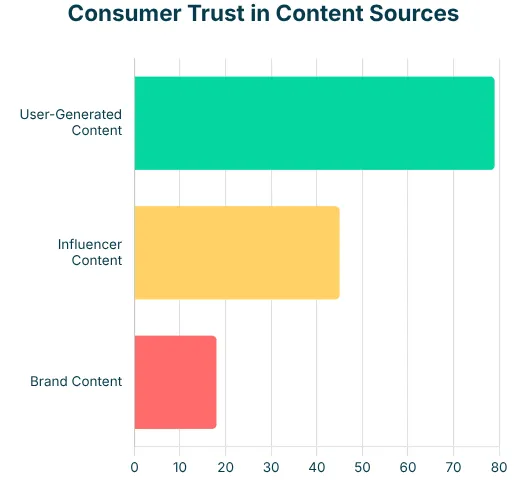
Modern consumers trust other consumers far more than they trust brands. User-Generated Content (UGC) is your most authentic and cheapest marketing asset.
Create campaigns that encourage customers to share photos and videos of their pets with your products.
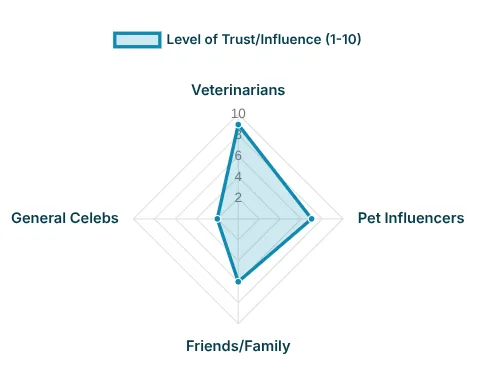
Data clearly shows that consumers place the highest trust in content created by their peers, making UGC a powerful tool for social proof and conversion.
Hack 3: Lock in Loyalty
with Subscription Models
Pet food, treats, and flea medication are recurring needs. A "Subscribe & Save" or "Auto-Ship" model is the ultimate hack for customer retention. It turns a one-time buyer into a predictable, long-term revenue stream and offers customers unbeatable convenience.
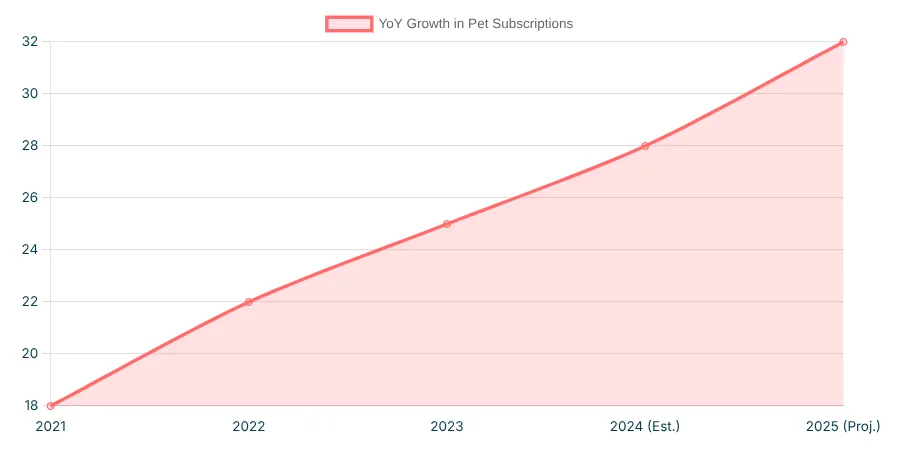
The projected year-over-year growth for pet supply subscriptions shows a clear and sustained trend. Customers are actively seeking auto-ship options, making this a critical feature for any pet eCommerce store.
Hack 4: Content as a Conversion Tool
Don't just sell products; sell expertise.
Become a trusted resource with high-value content on pet health, training, and behavior.
This builds SEO authority and captures customers early in their research funnel.
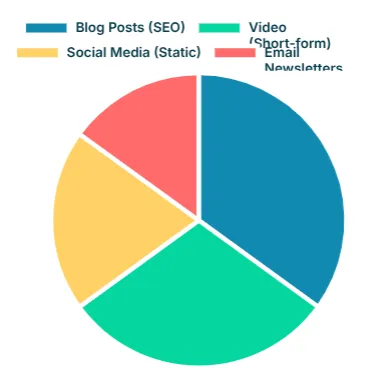
A mix of in-depth blog posts for SEO and engaging short-form video for social media creates a well-rounded content strategy that attracts and converts at different stages of the customer journey.
Hack 5: The Ecosystem Alliance: Leveraging Local and National Partnerships
The US pet care e-commerce market is projected to expand at a compound annual growth rate (CAGR) of 7.1% from 2025 to 2030, this stable figure masks a more complex reality.
Overall spending in the pet sector is plateauing, with a forecasted growth of just 2.9% YoY in 2025.
The most fruitful areas for growth will be in shifting from a transactional model (selling a bag of food) to an advisory one (prescribing a holistic wellness plan).
🎙️ Is your pet supply brand struggling to stand out in the crowded digital aisle?
Listen to this 5 Minutes Podcast.
Hack 1: Hyper-Personalization
as a Service
From Product Grids to Pet Profiles
In a market saturated with impersonal mass-market retailers, the single greatest opportunity for a pet e-commerce brand is to fill the "expertise gap".
The path to achieving this is through a radical shift from basic personalization (e.g., "users who bought X also bought Y") to deep, 1-to-1 pet profiling.
The goal is to transform the store from a static catalog into a dynamic, consultative service that creates a unique, 1-to-1 experience for each individual pet.
The "Pet-as-Patient" Model
This "Pet-as-Patient" model directly addresses the 63% of Millennial pet owners who feel mass retailers are failing them on expertise.
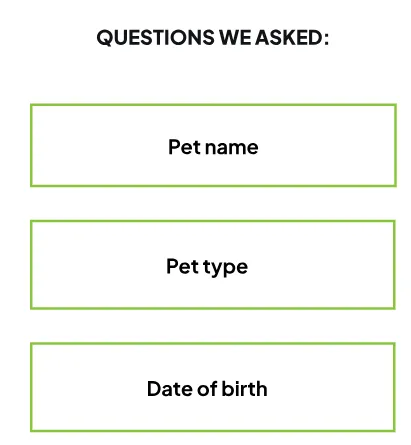
To execute this, a brand must capture essential, high-value data points for a comprehensive "Pet Profile."
These elements include, at a minimum:
Identification: Pet's name, type (dog, cat, bird, etc.), breed, age, and gender.Physical Data: Weight, size, and activity level.
Health Information: Allergies, dietary restrictions, chronic diseases, and medications.
Lifecycle Stage: Puppy/kitten, adult, or senior.
The strategic value of this data is profound.
By collecting health and lifestyle information, the store can move from being a reactive order-taker to a proactive wellness partner.
This approach, as outlined by industry nutrition experts, "optimizes the individual [pets'] response to diet" and "reduce[s] product failure" by ensuring the right product is recommended the first time.
This proactive, science-based recommendation engine builds immense brand loyalty, increases customer satisfaction, and, most critically, "reduces customer churn".
Case Study Deep Dive:
Personalization in Practice
Two case studies illustrate the "low-end" and "high-end" implementation of this model, both of which are highly effective.
For most stores, this model is best implemented via an engaging, data-capturing quiz, which can also serve as a lead magnet by requiring an email address to see the results.
These are industry examples, not client success stories.
Case 1: BARK (BarkBox):
A subscription service for dog toys and treats that leveraged a customer data platform for hyper-personalized email and SMS campaigns.
BARK unified data from six million customer profiles to enable hyper-personalized email and SMS campaigns. This shift from generic marketing to targeted communications focused on retention and add-on sales, addressing challenges like subscriber churn and irrelevant promotions.
Strategies:
Built 360-degree customer profiles incorporating transaction history, subscription status, pet allergies, product preferences, and channel preferences.
Implemented segmented email/SMS flows, including 6-10 monthly Add-to-Box promotions, lifecycle marketing (e.g., early engagement series), milestone celebrations (e.g., dog birthdays), and personalized recommendations (e.g., avoiding chicken treats for allergic pets or suggesting dental products for older dogs).
Used no-code tools for rapid segmentation and automation, ensuring relevance in subject lines, content, and timing.
Cross-promoted new products to active subscribers via exclusive add-ons.
Results:
Email/SMS drove 20% of total revenue;
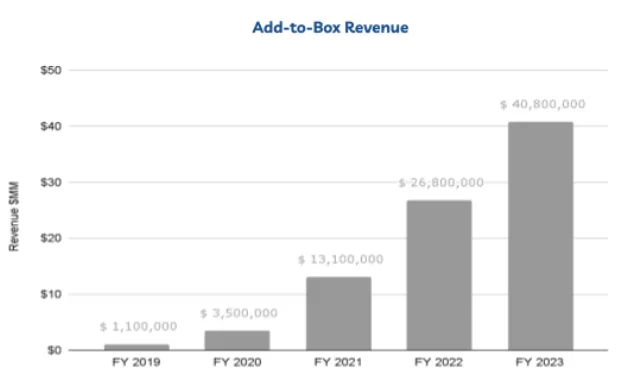
Add-to-Box revenue grew from $1.1M in 2019 to $40.8M in 2023;
Saved 2.5 hours per email creation.
Case 2: Zootovary
The European pet store chain with retail and delivery services, revamped its email marketing.
Starting with an unsegmented subscriber base sending irrelevant offers (e.g., cat products to dog owners), the brand aimed to boost sales, loyalty, and personalization through targeted triggers.
Strategies:
Ran subscriber surveys via promotional emails with discount incentives, adding visual questionnaire blocks to all emails for non-respondents, achieving ~20% completion among active users.
Segmented based on pet type and data collected.
Launched personalized triggers: Pet birthday emails with customized subjects, banners, and text; regular pet food purchase reminders based on package size and type.
Focused on relevance to avoid fatigue, combining promo and triggered emails.
Results:
30% increase in monthly email revenue;
Personalized triggers averaged 28% open rate, 10% CTR, and 15% transaction rate.


Actionable Framework:
Pet Profile Implementation Matrix
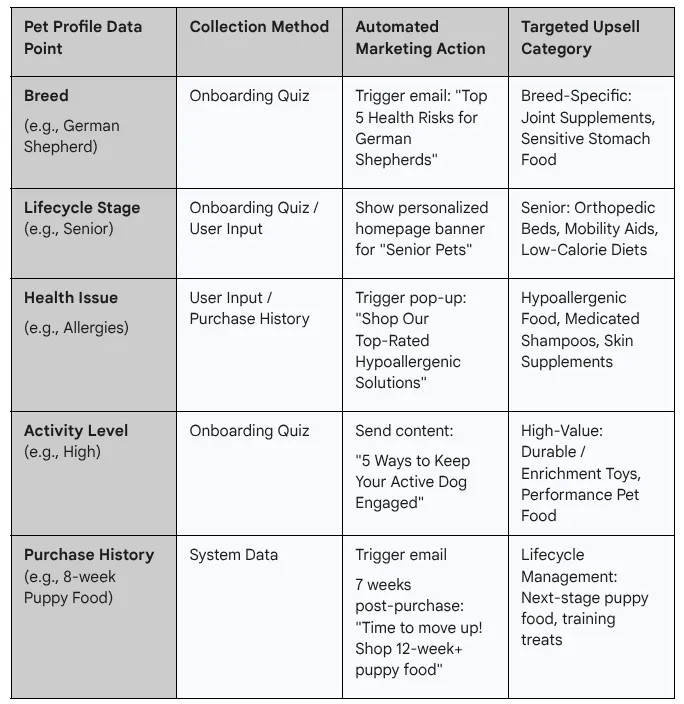
To make this strategy tangible, the following table provides a direct framework for linking pet profile data to specific, automated marketing actions and high-value upsell opportunities.
Table 1: Pet Profile Implementation Matrix
Grow Your Pet Supplies E-Commerce Revenue by 30% with 1:1 Messaging Tailored to Pet Owners.
For pet supply stores, achieve 30% revenue growth by personalizing messages that turn one-time buyers of toys into loyal subscribers for monthly food deliveries.
Hack 2: The "Petfluencer" Engine
Driving Trust and Sales on New Platforms
Why Pets Outperform People
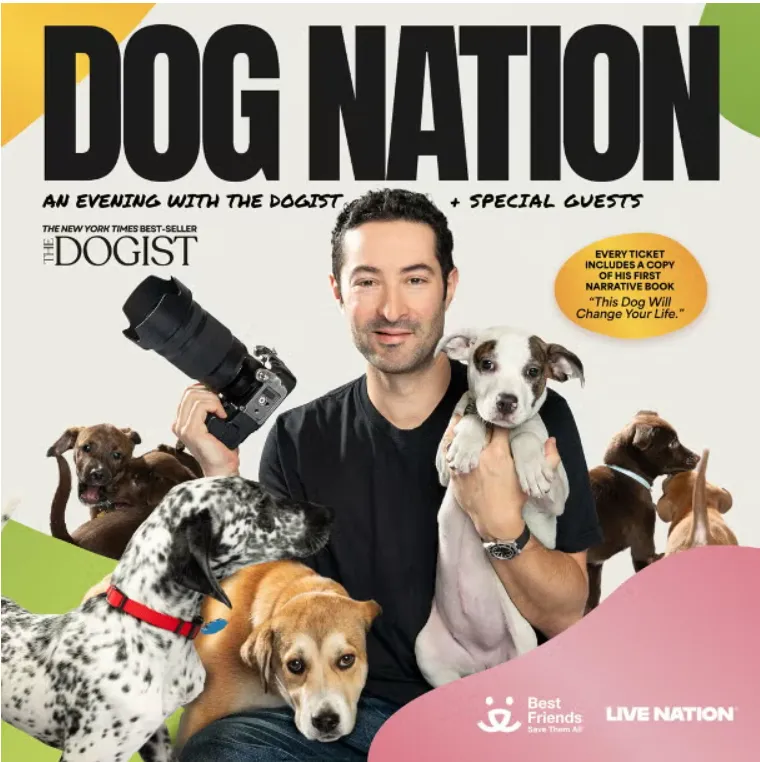
In the 2025 marketing landscape, "petfluencers" social media accounts dedicated to a specific pet are not a niche or trivial tactic. They are a core, high-ROI performance channel, especially for connecting with the dominant pet-owning demographics of Gen Z and Millennials.
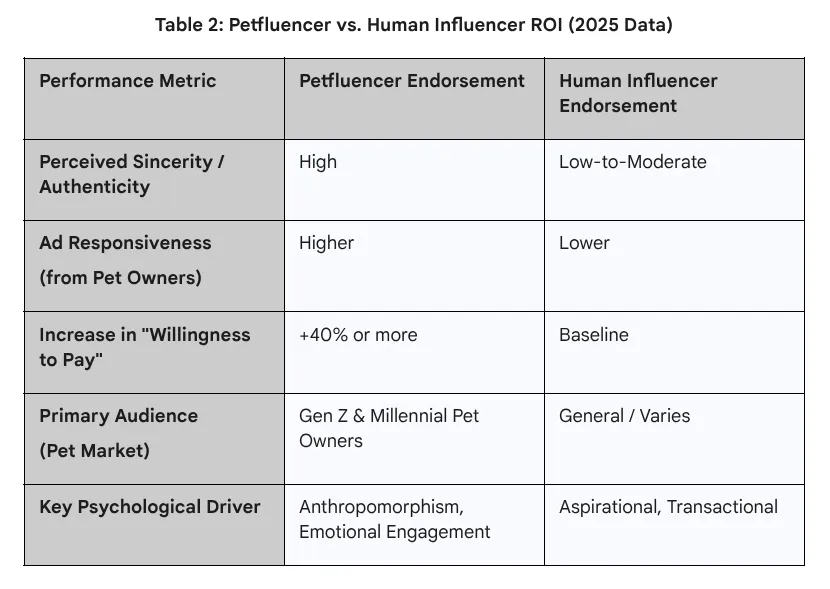
The effectiveness of petfluencers is not anecdotal; it is backed by hard data. Recent peer-reviewed research published in the Journal of Advertising Research (2025) confirms that petfluencers drive higher trust and sales than their human counterparts.
This data reveals the true nature of petfluencer marketing: it is a trust-transfer mechanism.
A pet owner follows an account like Nala Cat or Doug the Pug because they feel a sense of community and emotional connection.
When that trusted pet "endorses" a product, the deep-seated trust the follower has for the pet is transferred directly to the brand.
This is an invaluable shortcut for new or independent brands seeking to establish credibility in a crowded market.
The study's findings are a mandate for any pet brand's marketing budget:
Increased Willingness to Pay: A consumer's "willingness to pay for a product increased by 40%+" when that product was endorsed by a petfluencer compared to a human influencer.Perceived Authenticity: Petfluencers are perceived as "more sincere and authentic". The endorsement feels less transactional because the pet (the influencer) is seen as genuine and unable to be deceptive.
Audience Demographics: Over 70% of Gen Z pet owners report following pet influencers.
The TikTok Shop Revolution: The New Point of Purchase
The strategic power of TikTok Shop lies in its fundamental disruption of the traditional e-commerce funnel.
Historically, the funnel involved distinct stages: awareness (often via a Google search or social ad), consideration (visiting a blog or website), and purchase (a separate checkout process). TikTok Shop, however, compresses all three stages into a single, 30-second window of native content.
A user can be entertained by a viral pet video, see a product demonstrated by a trusted petfluencer, and complete the purchase via the integrated "Shop" button all without ever leaving the application.
This closed-loop system poses a significant threat to brands reliant on traditional search engine optimization or Amazon-based discovery, as it bypasses those channels entirely.
The petfluencer strategy has found its "killer app" in the form of TikTok Shop.
This platform has rapidly evolved from an entertainment channel into a full-fledged sales juggernaut, and its impact on the pet industry is already undeniable.Market Size: The 'Pet Supplies' category on TikTok Shop in the United States is already generating $12 million in monthly sales revenue.
Brand Revenue: The average US-based pet supplies brand on the platform is currently generating $842.6k in revenue, with top brands like Meowant exceeding $950k per month.

Case Study Deep Dive:
Validating the Strategy
The power of petfluencers as a "trust-transfer" mechanism is validated by the strategies of the largest players in the market.
Case 1: Walmart & Nala Cat:
This case study represents the ultimate validation of a petfluencer's brand equity. Nala Cat (4.5 million Instagram followers) is not just a marketing partner for Walmart; she is a CPG brand.
Walmart, a savvy retail giant, recognized that Nala's "extraordinary engagement rates" translated into commercial power.
They did not merely sponsor a post; they brought her entire "Love, Nala" premium pet food line to their shelves and website.
This proves that a top-tier petfluencer holds enough trust and brand equity to launch a full-scale, competitive product line.
Case 2: PetSmart's TikTok Strategy:
PetSmart, a legacy brick-and-mortar retailer, has fully embraced new media to stay relevant.
The brand leverages TikTok and Instagram for high-engagement, "pawsitive" storytelling.
Their strategy involves collaborating with "a mix of social-media-famous pets and celebrities".
Critically, they use these influencers not just to push products, but to showcase the breadth of their offerings, including in-store services like grooming and training.
This builds a holistic brand narrative that connects their digital marketing directly to their physical store assets.

Actionable Framework & Table
For an independent e-commerce store, launching on TikTok Shop is a high-leverage, asymmetric strategy to compete with the giants.
A successful launch framework includes five key pillars:
Content Creation: Focus on native, viral-friendly formats. The TikTok algorithm favors pet-related content. Key formats include: unboxing videos (capturing pet excitement), "before & after" transformations (grooming tools, supplements), training tips and hacks (using your treats), and simple pet reaction videos.
Influencer Partnerships: Partner with micro and nano petfluencers for product demonstrations and reviews. Their authentic, unscripted reactions are more convincing than any polished ad.
Live Shopping: Host live shopping events. This format allows brands to engage with buyers in real-time, demonstrate products with real pets, host Q&A sessions, and (most effectively) offer exclusive, time-sensitive discounts that create urgency.
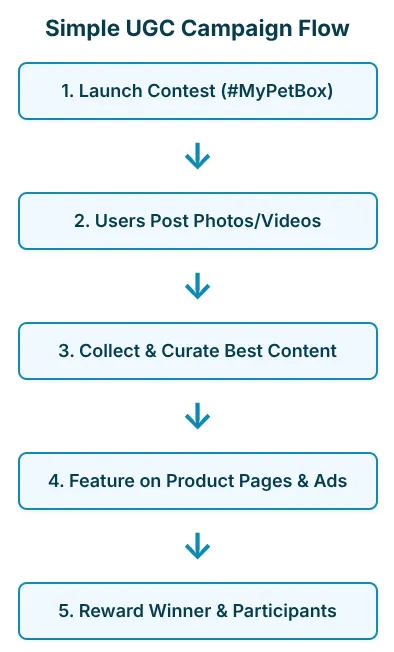
User-Generated Content (UGC): Encourage your new customers to create content with your product. Run hashtag challenges (e.g., #HealthyPupChallenge) or duets/stitches to build community engagement.
Paid Amplification (Spark Ads): Use TikTok's Spark Ad format to identify your top-performing organic videos (especially those from influencers) and put a paid budget behind them to amplify their reach to a wider, targeted audience. To justify this budget allocation, the following table synthesizes the 2025 research data, providing a clear, data-driven rationale for prioritizing petfluencer partnerships.
To justify this budget allocation, the following table synthesizes the 2025 research data, providing a clear, data-driven rationale for prioritizing petfluencer partnerships.
Hack 3: The Retention Flywheel
Gamified Loyalty and UGC
The Subscription "Table Stakes"
In the 2025 pet e-commerce market, a subscription model is not a strategy; it is a "table stakes" necessity.
The dominance of Chewy's "Autoship" (which drives ~70% of their revenue) and Amazon's "Subscribe & Save" has fundamentally trained the American consumer.
Pet owners now expect the convenience of auto-replenishment for consumable products like pet food, treats, and litter. Offering a simple, reliable subscription model is the baseline for competing.
The Real Hack: Gamified Loyalty
While a subscription model creates a financial loop (recurring billing), it does not, by itself, create deep emotional loyalty. A customer on a subscription is still susceptible to being poached by a competitor's 10% discount. The "hack" is to build a behavioral and emotional loop on top of the financial one. This is achieved through gamified loyalty.
Gamification taps into powerful psychological triggers, such as "the power of progression systems". Humans are hardwired to seek completion. When we see a progress bar at 80%, we feel a compulsion to fill the last 20%. This is the same mechanism that makes video games addictive. By applying these mechanics to an e-commerce store, a brand can behaviorally re-wire its customers' purchasing habits.
Effective gamification tactics for pet stores include:
Points & Tiers: A clear progression path (e.g., Bronze, Silver, Gold) gives customers a visible "journey" and a status to protect.Digital Punch Cards: A simple, powerful tool. "Buy 10 bags of food, get 1 free" is a clear, attainable goal that encourages repeat purchases.
Challenges: Reward customers with bonus points for high-value (non-purchase) actions, such as "Complete your pet profile for 50 bonus points" or "Write a product review for 25 points".
Social Rewards: Offer small point rewards for actions that create social proof, such as "Share a pet photo on Instagram for 20 points."
Case Study Deep Dive: The 25% Revenue Hack Doodle Dogs
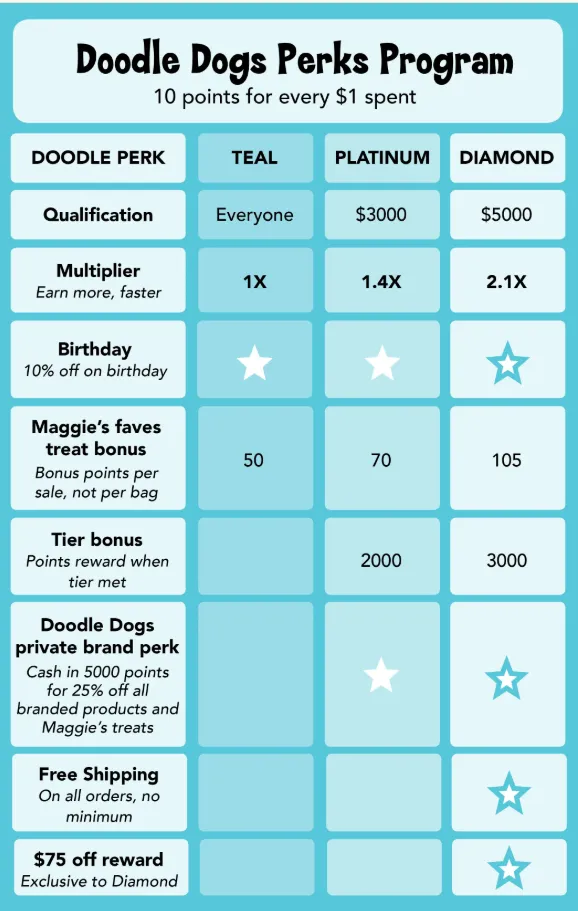
This strategy is not theoretical. The case of Doodle Dogs, a pet retailer, provides one of the clearest, most compelling data points in the industry for the power of gamified loyalty.
Doodle Dogs implemented a sophisticated, multi-layered loyalty program using the Growave e-commerce marketing platform.
The Program: Their system was a hybrid, combining several gamification elements to maximize engagement:
1) VIP Tiers: Customers could achieve "Diamond status" for higher "cash back" rewards, creating a powerful incentive for high-value customers to consolidate their spending.
2) Gamified Punch Cards: They implemented specific, high-value "punch card" challenges, such as "place 12 orders, each totaling $100" to unlock a significant bonus.
3) Frequent Buyer Integration: They integrated the "Astro Frequent Buyer Program," a common industry tool, directly into their system. This allowed customers to track their progress toward a "Buy 12 get 1 FREE" reward on specific brands like Open Farm and Carna4.
The Results
(The "Hack"):
This data demonstrates that Doodle Dogs successfully behaviorally re-wired its customer base. As one co-founder noted, customers became "like married to our loyalty program".
They will intentionally shop more frequently (4.6x) and spend more per order (1.6x AOV) specifically to hit the next tier or complete their punch card.
This is a powerful, defensible moat that directly combats the price-shopping, low-loyalty mentality fostered by mass-marketplaces like Amazon.
The outcomes of this strategy are staggering and prove that a well-designed loyalty program is not a "cost center" but a massive profit center.
25% of the company's total revenue is now generated by customers actively participating in the punch card program.
They achieved a 93% increase in their Returning Customer Rate.
Loyalty members have an Average Order Value (AOV) 1.6x higher than non-members.
Loyalty members purchase 4.6x more often than non-members.
Case Study
Deep Dive:
User-Generated Content (UGC) as a Flywheel
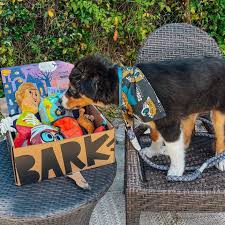
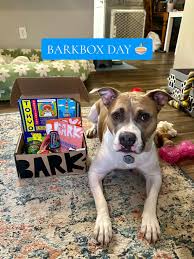
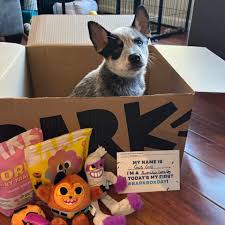
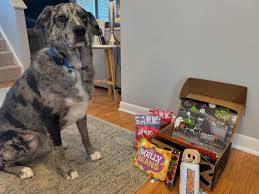
The Model: BarkBox's "#BarkBoxDay": The genius of BarkBox's marketing was not just in asking for UGC, but in branding the entire unboxing experience.
The Process:Objective: Increase brand engagement and showcase customer satisfaction.
Action: Encourage their subscribers (via inserts in the box and social media) to share photos and videos of their pets enjoying their monthly box.
Hashtag: They successfully associated this behavior with the branded hashtag #BarkBoxDay.
#BarkBoxDay
The second half of the retention flywheel is User-Generated Content (UGC).
This strategy turns customers into a volunteer marketing army and creates a self-sustaining content engine.
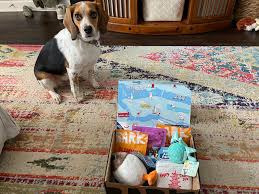
This strategy is exceptionally effective because it harnesses a powerful, existing customer behavior. Data shows that 65% of pet parents post about their pets on social media an average of two times per week.
BarkBox simply gave them a reason and a hashtag to channel that existing behavior. This creates a "treasure trove" of free, authentic, and emotionally resonant marketing content.
This UGC is far more trustworthy and effective than any brand-created ad. BarkBox then leverages this content in a "closed loop" flywheel:
Social Proof: The thousands of #BarkBoxDay posts create massive social proof, reassuring new customers that the product is high-quality and "dog-approved".
Ad Creative: This UGC is repurposed in paid advertising campaigns, providing a steady stream of authentic, high-performing creative at almost no cost.
Community Building: Resharing customer posts on their main account fosters a deep sense of community and loyalty. Customers feel "seen" and celebrated by the brand, reinforcing their decision to subscribe.
Hack 4: The Authority Engine
Winning High-Intent Traffic with SEO
Winning on Advice, Not Just Price
For most independent e-commerce stores, competing with Amazon and Chewy on high-volume, product-focused keywords (e.g., "Acana dog food," "Nylabone toy") is a cost-prohibitive, losing battle.
The solution is to stop competing on product keywords and start dominating high-intent problem keywords.
The data is clear: the most profitable brands in the pet space are those that customers "turn to for advice first, purchases second".
This defines the "Authority Engine" strategy. The e-commerce store must become the most trusted, expert resource for pet owners' questions.
This is a fundamental shift in SEO. A pet owner does not search for "joint supplement." They search, "Why is my 8-year-old Golden Retriever limping?".
The e-commerce store that provides the single best, most comprehensive, expert-level answer to this question builds an immediate, powerful bond of trust and authority.
This trust gives the brand the "permission" to then recommend a solution. This model seamlessly links high-value, problem-solving content directly to commerce.
Implementation Deep Dive:
High-Intent Content Creation
Executing this strategy requires a content plan focused on solving specific, high-intent problems.
Actionable Framework:
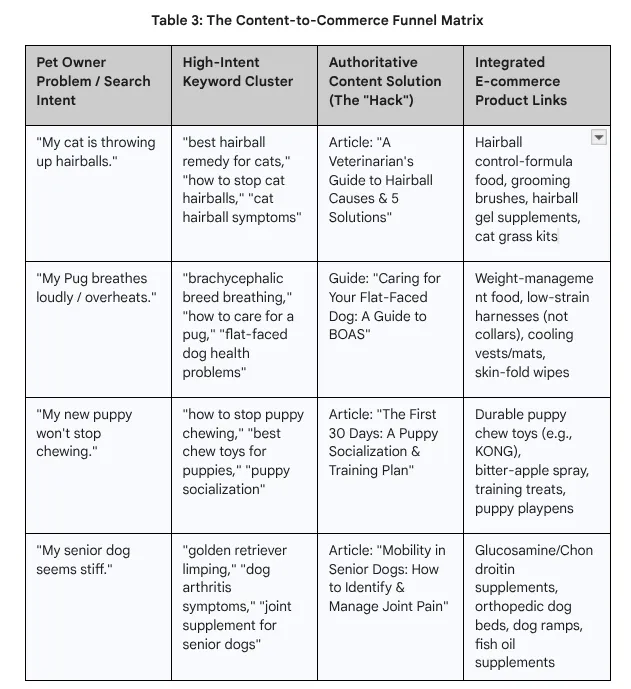
The Content-to-Commerce Funnel Matrix
This framework provides a clear, repeatable blueprint for content managers to create content that generates revenue, not just "traffic." It maps the entire user journey from a problem-based search to a product purchase.
Hack 5: The Ecosystem Alliance Leveraging Local and National Partnerships
The "Borrowed Trust" Moat
For an independent, digital-first e-commerce brand, one of the greatest challenges is overcoming the "faceless" nature of the internet.
Consumers are inundated with digital ads and are inherently skeptical of new brands.
The fifth strategic hack is to bypass this skepticism by creating a physical, community-based presence through strategic alliances.
This is the "Borrowed Trust" moat. An e-commerce store can "borrow" the deep, pre-existing trust that pet owners have for their local veterinarians, groomers, trainers, and shelters.
This strategy works by leveraging the "halo effect." A customer may ignore a brand's digital ad.
But if their trusted local veterinarian or the groomer they've used for five years gives them a discount card, a product sample, or a co-branded bandana, the e-commerce store receives an instant, powerful halo of credibility.
This offline, word-of-mouth endorsement from a trusted local expert is more powerful and persuasive than almost any form of digital marketing.
Case Study Deep Dive:
National Cause Marketing
At the national level, this strategy manifests as high-visibility cause marketing, which aligns the brand with a mission consumers care about.
Case 1: Purina's "Shelter Champions":
This is a masterclass in deep integration. Purina does not simply "sponsor" shelters.
They are a fully integrated partner, providing high-quality nutrition for shelter animals, critical funding, and, most importantly, marketing expertise to help shelters improve their own adoption strategies.
The strategic payoff is twofold:
1) Brand Halo:
Purina is publicly aligned with the universally-loved cause of animal rescue.
2) Customer Acquisition:
They ensure that Purina is often the very first brand of food a new adopter (a high-value, first-time customer) is introduced to, complete with coupons and recommendations from the shelter itself.

Case 2: ASPCA Strategic Partnerships:
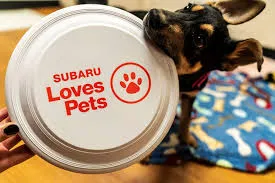
The ASPCA partners with major brands like Subaru and FedEx.
For the brand, this partnership "raises awareness and revenue".
For the consumer, it reframes their purchase.
Buying a Subaru (or a product from a partner e-commerce store) is no longer just a transaction; it becomes a way of "helping animals in need", adding a powerful emotional incentive to the purchase decision.
Case Study Deep Dive:
Local Co-Marketing (The Actionable Hack)
While national partnerships are powerful, the most actionable hack for an independent e-commerce store is to build a reciprocal co-marketing ecosystem with local, independent service providers.
These partners are not competitors; they are allies serving the same customer.
An implementation framework for this local alliance includes:
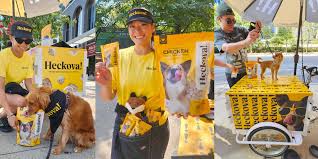
1) Product/Service Tie-ins: Create a "win-win" offer. The e-commerce store can promote a local partner to its email list: "Buy a 30lb bag of food online, get a 10% off coupon for [Local Groomer's Name]". This drives traffic to the groomer, while the groomer promotes the e-commerce store as their "official" nutrition partner.2) In-Store Physical Presence: This is the most critical step. The e-commerce store provides the local vet, groomer, or trainer with high-quality, co-branded freebies. This could include product samples, "New Patient/Client" kits, or branded items like bandanas and leashes. The local business gives these items to their best clients, effectively turning their front counter into a physical, trusted advertisement for the online store.
3) Co-Sponsored Local Events: Partner with a local shelter or rescue for an adoption event. The shelter provides the community trust, venue, and promotion. The e-commerce store provides the products, such as "New Adopter Kits" (containing a leash, a toy, food samples, and a "first purchase" discount code). This generates goodwill, local brand awareness, and captures a new customer at the very beginning of their pet-owning journey.
Actionable Framework: 3-Step Local Partnership Outreach
While national partnerships are powerful, the most actionable hack for an independent e-commerce store is to build a reciprocal co-marketing ecosystem with local, independent service providers.
These partners are not competitors; they are allies serving the same customer.
1) Identify Partners: Create a target list. Map all non-competing, high-quality local pet businesses (veterinarians, groomers, trainers, dog walkers, and shelters) in key demographic ZIP codes.
2) Develop the "Win-Win": Create a simple, one-page proposal. It should not ask for a favor; it should offer value. The headline should be: "How Can Send You New Clients & Provide Free Products for Your Customers."
3) Propose the Reciprocal Offer: Make a clear, easy-to-accept proposal. For example: "We will feature your clinic in our monthly email newsletter (10,000 local pet owners) as our 'Vet of the Month.' In exchange, we ask that you place our 'New Customer' 15% discount cards at your checkout counter."
Conclusion:
A Synthesized Marketing Strategy
for Pet Supplies Ecommerce Stores
The five strategies detailed in this report: Hyper-Personalization, the Petfluencer Engine, Gamified Loyalty, the Authority Engine, and Ecosystem Alliances are not independent tactics.
When executed successfully, they are an interconnected, self-reinforcing ecosystem designed to acquire, convert, and retain a high-value customer in the competitive 2025 market.
This integrated system is how an independent e-commerce brand can win. It strategically shifts the competitive axis away from an unwinnable war on price (Amazon) and logistics (Chewy) and onto the fertile, defensible battleground of authority, personalization, and community.
This flywheel model demonstrates how an independent e-commerce store can build a defensible brand moat by guiding a customer through a complete, trust-based journey:
(Hack 4: Authority Engine):
They discover and read your brand's authoritative, top-ranking SEO guide on the topic.
(Hack 1: Hyper-Personalization):
The user creates a Pet Profile, giving you their email and invaluable data on their new pet.
(Hack 2: Petfluencer Engine):
The pet's genuine excitement provides the final layer of authentic social proof. The user clicks the "Shop" button and makes their first purchase.
(Hack 3: Loyalty & UGC):
The order confirmation email encourages them to share their own unboxing video for a UGC Contest ("#MyPuppyKit") to earn 200 bonus loyalty points.
(Hack 5: Ecosystem Alliance):
This final step solidifies the emotional connection, confirming to the customer that their purchase was not just a transaction, but a good decision.
(Hack 6: Ask for Referrals):
Also create a trigger email and SMS to go out after a customer leaves a 5-star review, inviting them to refer a friend, aligning with moments of highest satisfaction.
Grow Your Pet Supplies E-Commerce Revenue by 30% with 1:1 Messaging Tailored to Pet Owners.
For pet supply stores, achieve 30% revenue growth by personalizing messages that turn one-time buyers of toys into loyal subscribers for monthly food deliveries.